Slow motion references of mostly animals
Slow Mo Ref - YouTube
Slow Mo Ref - Tumblr
11 July 2014

5 March 2014
31 May 2013
Animation I - Frame by Frame Tumblr
Frame by Frame, a tumblr which collects .gifs from animation and breaks parts of it down into separate images to observe individual drawings.
19 May 2013
Faces I - Marina Abramovic, the Artist is Present
A series of portraits taken as part of a performance art piece by Marina Abramovic. These people were invited to sit still in front of her in silence for one minute. The portraits are a result of the piece. A good mix of ordinary or unusual facial features, devoid of any lighting or camera trickery to make them glamorous.

12 December 2012
23 November 2012
Dinosaur II - Ankylosauridae


Ankylosauria meaning "fused lizard", all have fused bones along their back which form plates of armor. Most of them have a large bony club at the end of their tail. Ankylosaurus is the largest and best known of the family. The Crichtonosaurus was named after Michael Crichton, author of Jurassic Park.
Most Akylosauria have been found in the Western North American continent, Mongolia and China. They lived in the late Cretaceous and were amongst the dinosaurs destroyed by the Cretaceous-Paleogene extinction event (the big asteroid).
1) Aletopelta (West USA)
2) Minmi (Australia)
3) Shamosaurus (Mongolia)
4) Ahshislepelta (West USA)
5) Ankylosaurus (West USA)
6) Euoplocephalus (West USA and West Canada)
7) Minotaurasaurus (China)
8) Tarchia (Mongolia)
9) Tsagantegia (Mongolia)
Dinosaur I - Stegosauria

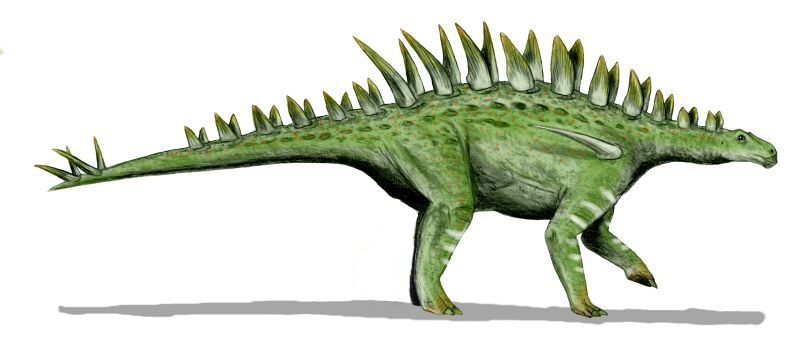
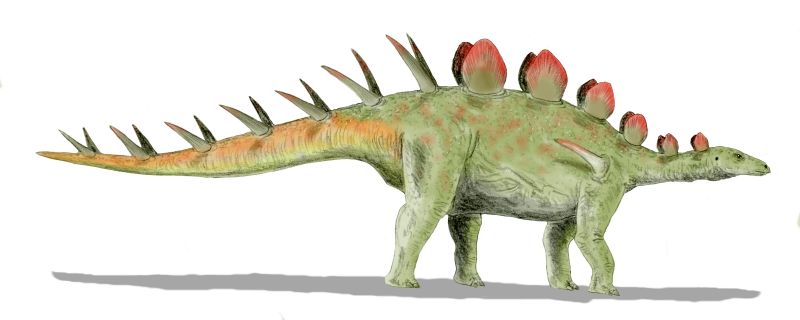


Stegosauria meaning "roof lizard", all have special bones called osteoderms along their backs, which develop into plates or spines. The spines on the tail are called thagomizers. There's debate as to whether the plates on their backs were purely for defense or whether they were also a cooling system.
Most Stegosauria have been discovered in China. They're from the Jurassic and early Cretaceous periods.
1) Gigantospinosaurus (China)
2) Huayangosaurus (China)
3) Chialangosaurus (China)
4) Chungkingosaurus (China)
5) Dacentrurus (UK, France, Spain)
6) Hesperosaurus (USA)
7) Miragia (Portugal)
8) Monkosaurus (Tibet, China)
9) Wuerhosaurus (China)
10) Kentrosaurus (Tanzania)
11) Stegosaurus (USA)
12) Tuojiangosaurus (China)
19 September 2012


18 September 2012


13 September 2012


Town I - Hakka Walled Villages

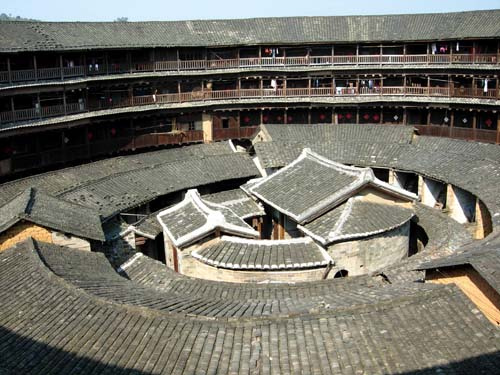


Hakka walled villages were made by the Hakka people in China. The buildings themselves are called "tu lou" (literally "tall earth building") and are mud, brick and stone buildings designed to be an easily defensible living area. The outer walls were 1 meter thick, had no low windows and one gate. Multiple families lived inside these buildings, and it has a plaza inside it. It's essentially an ancient village/apartment building, with different areas assigned to living quarters, armoury, temples, storage... Most rooms designed for living in were built with similar interiors, and occupied by several generations of the same family. Larger rooms would be occupied by especially large families.
Many of them were 10,000 square metres, but the biggest one found was over 40,000 square metres.


10 September 2012

Armor II - Hauberk


The first image is of Persians is the 7th century. The rest are European (mostly Dutch and German) of the 14th-15th century.
Subscribe to:
Posts (Atom)